
Most people think their brand is their logo. A few think it’s their tagline. The truth is, your brand is everything, from how you answer the phone to how you write an invoice. It’s the feeling people get when they interact with your business, and it’s working, or not working, whether you’re paying attention to it or not.
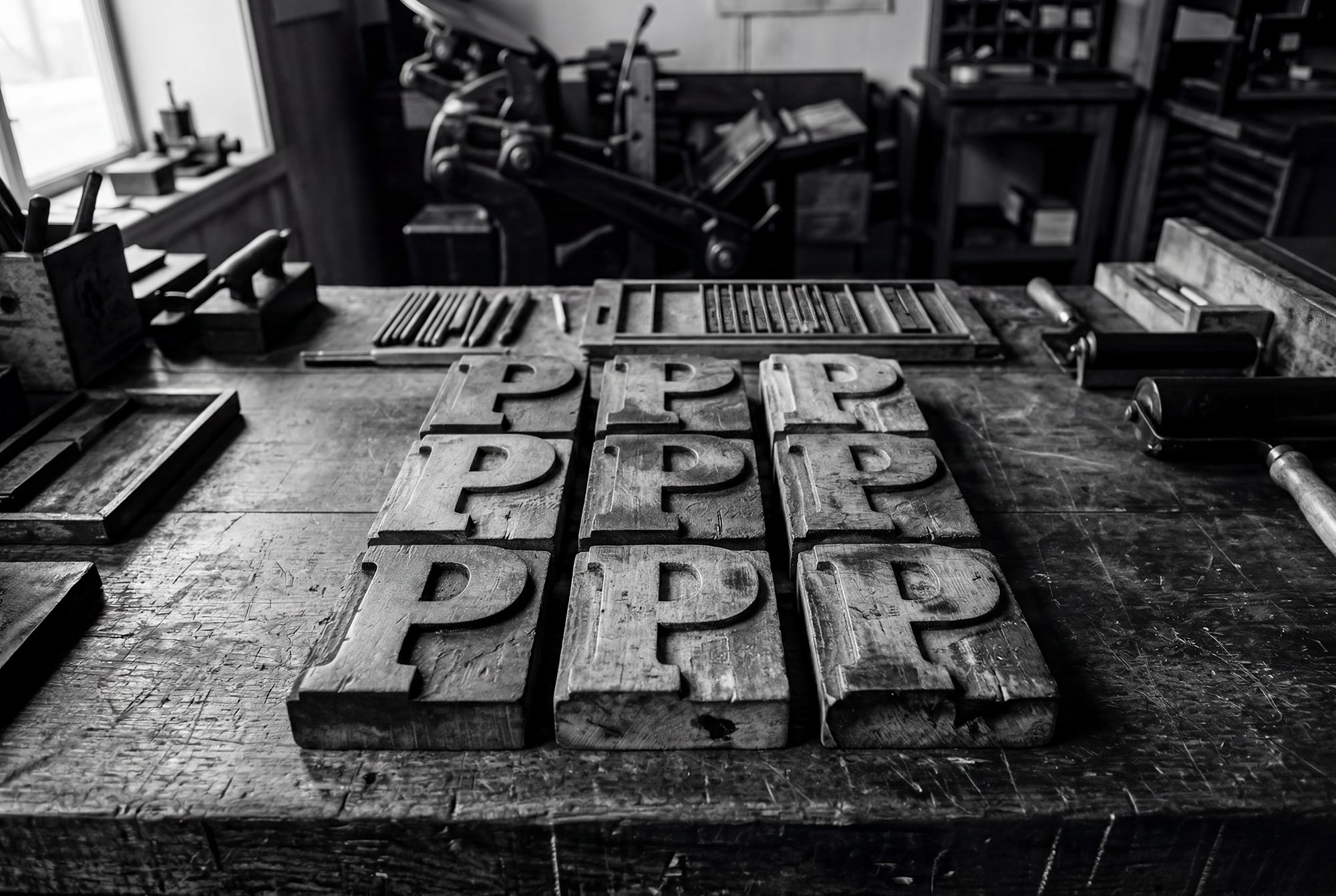
Marketing strategist Craig Hingston has spent decades studying what makes brands stick. His framework, the 9 P’s of an Effective Brand, is one of the clearest and most practical guides to building a brand that actually does something for your business. Simon Bailey Design has worked alongside Craig on a number of projects, and this is a framework worth knowing.
1. Brand Personality
Your brand has a personality whether you’ve designed one or not. Every touchpoint, from your website to your packaging to how a team member handles a complaint, contributes to how your business is perceived.
The strongest brands form an emotional connection with their audience. Think about the brands you’re loyal to. Chances are, it’s not purely about the product. It’s about how those brands make you feel.
2. Brand Promise
What are you telling your customers they can expect? A promise doesn’t have to be formal or written down. It lives in your service, your quality, your response time.
The danger isn’t in making a promise. It’s in making one you can’t keep. One let-down is enough to lose a customer, and they’ll probably tell someone else on the way out. Under-promise and over-deliver. Every time.
3. Brand Points of Difference
In a crowded market, being good isn’t enough. There are dozens of businesses offering something similar to yours. So why should someone choose you?
Your point of difference doesn’t have to be dramatic. It could be your level of customer care, your specialist knowledge, your turnaround time, or simply the way you communicate. The question to ask: what do you do that the others don’t, or won’t?
4. Brand Perception
People make assumptions based on what they see and hear, even when those assumptions aren’t accurate. An amateurish logo or a clunky website signals something about your business, even if the service behind it is excellent.
Design plays a significant role here. The right visual presentation, consistent across every platform and piece of material, positions your business credibly in the market. If you want to be taken seriously, it’s worth looking the part.
5. Personable Brands
People like doing business with people. Behind every strong brand is a human story.
Injecting your own personality into your business, your experience, your values, your genuine enthusiasm for what you do, creates a connection that polished corporate branding rarely achieves. You don’t need to be a media personality. You just need to be present and real.
6. Brand Point of View
Stand outside your own business for a moment. What does your brand look like from your customer’s perspective? Is it consistent? Professional? Does it communicate clearly?
It’s easy to become too close to your own brand to see it clearly. Asking customers for honest feedback, whether informally or through a simple survey, can reveal a lot. You might be surprised what they notice.
7. Brand Personnel
Your team is your brand in action. A beautifully crafted brand promise means nothing if the people delivering it haven’t bought into it.
This is one of the most common gaps between intention and execution. Training, communication, and culture all matter here. If your front-line staff don’t understand the promise, your customers won’t experience it.
8. Brand Positioning Statement
A positioning statement is the short phrase that sits alongside your brand. It reinforces who you are and what you stand for, and it helps people remember you.
If you don’t have one, it’s worth thinking about. Look at your values, your promise, your points of difference, and find a line that captures it simply. Think of it as your brand’s underline.
9. Brand Perpetuity and Proof
Building a brand takes time and consistency. A single campaign or a burst of activity rarely sticks. Your audience is being exposed to thousands of marketing messages every day. One message, delivered once, gets lost in the noise.
The goal is sustained, targeted presence, in front of the right people, with the right message, repeatedly. And where possible, measure it. Track what’s working, adjust what isn’t, and keep showing up.
The bottom line
Your brand is either working for you or against you, all the time. The businesses that understand this, and invest in getting it right, are the ones that build lasting relationships and genuine loyalty.
Simon Bailey Design works with businesses across a range of sectors to develop brands that are clear, consistent, and built to last. If your brand could do with a closer look, get in touch.
Source: Framework based on “The 9 P’s of an Effective Brand” by Craig E. Hingston.