
Every software company loves a feature list. It feels like proof of effort. Look at everything we built. The trouble is that nobody buys a feature list. Buyers do not lie awake wishing for more ways to do the same thing, they lie awake wishing a particular problem would go away.
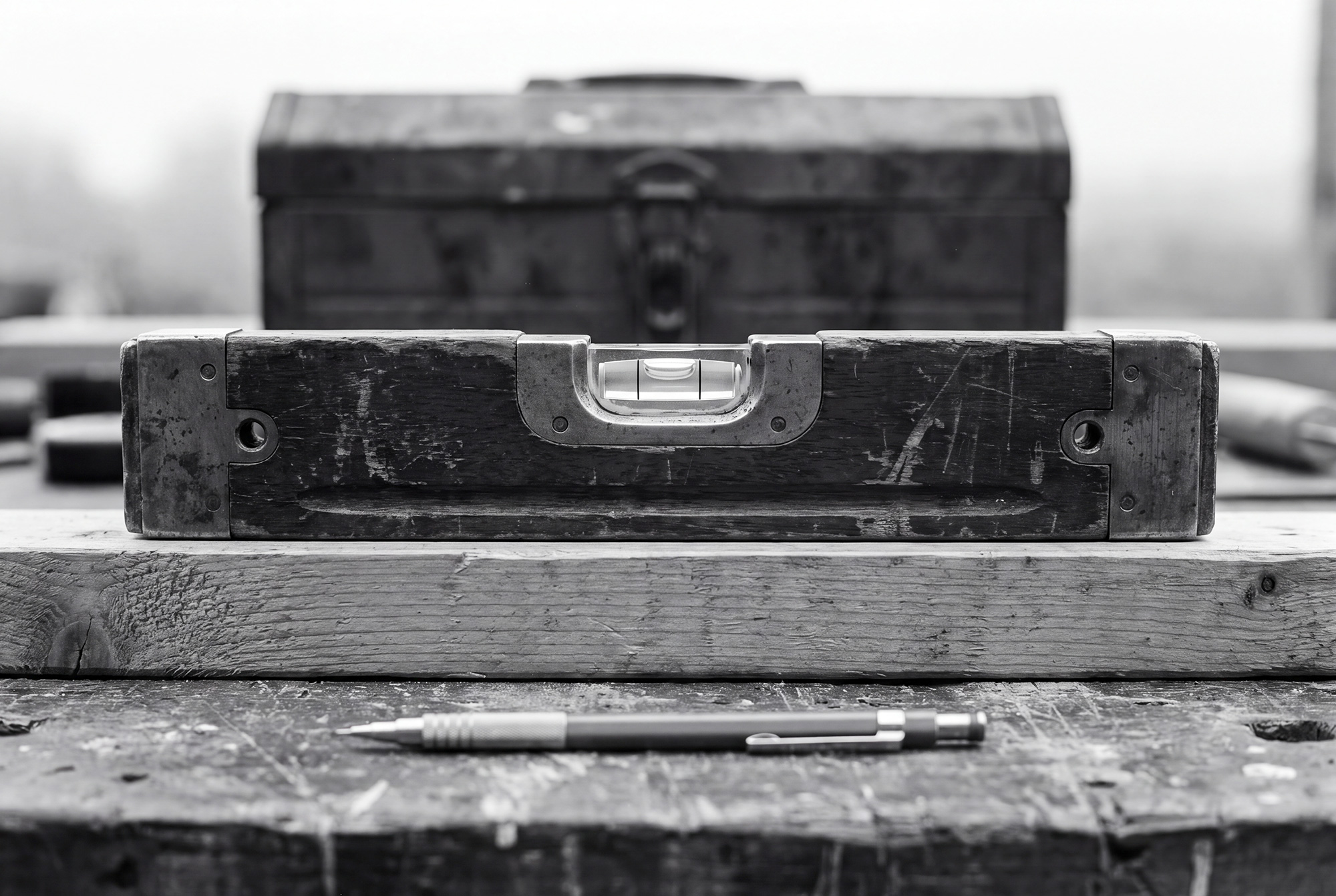
In other words, the feature is a straight frame. The benefit is a house that won’t fall down.
What Your Buyer Is Actually Buying
Strip it back and every purchase is the same. A client is trying to solve a problem or fill a gap in their business, and they are hoping your software is the thing that does it. That is the benefit, not the feature itself, but the problem it makes disappear.
A feature is what your product has. A benefit is what your customer gets. “Real-time sync across devices” is a feature. “Your team stops emailing the wrong version of the file” is the benefit. Same capability, but only one of them is written from the buyer’s point of view.
Write for the Reader, Not the Writer
The best software copy is written for the benefit of the reader, not the writer. Every line should answer the only question the buyer is really asking. What is in it for me.
That sounds obvious, yet most software copy is written from the inside out. The people who built the product know exactly why each feature matters, so they forget to spell it out. Never assume the reader knows as much as you do. A feature dump is the software equivalent of junk mail, unwanted not because it is information, but because none of it is about them.
The Two Questions That Matter
Behind every software purchase sit two quiet questions. 1) Is it intuitive enough that people will actually use it? 2) Will it save enough time, and therefore money, to be worth the switch?
Everything else the buyer cares about comes back to those two. A report that used to take an afternoon now takes ten minutes. A new team member is productive on day one instead of week three. Answer those two, in plain numbers where you can, and you have given the buyer a real reason to choose you.
Bells and Whistles Get You in the Door, Not Over the Line
Impressive features open the conversation. They rarely close it. A capability nobody can find, or nobody enjoys using, is not something a buyer will pay for. A long spec sheet impresses in the demo and is forgotten by the time the buyer sits down to decide.
There is no need to be clever here, only relevant. Tell people quickly and truthfully what your product will do for them, or they will go elsewhere. This is where good design earns its keep. Clear messaging and considered UI are what turn a raw capability into a reason to buy. It is, in the end, simply design that works.
Let’s talk about your next project. Get in touch with Simon Bailey Design to find out how good design turns features into sales.